Trezor Login: A Complete Guide to Accessing and Securing Your Crypto Wallet
In the world of digital assets, security is everything. As cryptocurrencies become more valuable and widely used, the importance of safely storing them cannot be overstated. Trezor, one of the most trusted names in hardware wallets, provides a secure and user-friendly way to manage and protect your crypto holdings. Understanding the Trezor login process is essential for anyone using the device to ensure a smooth and safe experience. This guide covers everything you need to know about logging into your Trezor wallet, setting it up, and keeping your assets secure.
What Is Trezor?
Trezor is a hardware wallet developed by SatoshiLabs, designed to store cryptocurrency private keys offline. Unlike software wallets or exchange-based wallets, a hardware wallet like Trezor keeps your keys isolated from internet-connected devices, drastically reducing the risk of hacks or theft. It supports a wide range of cryptocurrencies, including Bitcoin, Ethereum, Litecoin, and many ERC-20 tokens.
Trezor offers two main models: Trezor One and Trezor Model T. Both are built with the same focus on security but differ in features and interface. The Trezor One is the original model, simple and reliable, while the Model T features a touchscreen and more advanced security features.
Setting Up Your Trezor Wallet
Before logging in for the first time, you need to set up your Trezor device. The setup process is straightforward but must be done carefully to ensure your wallet’s safety.
Unbox and Connect Your Device
Plug your Trezor device into your computer using the provided USB cable. Make sure you are connecting it to a trusted computer that is free of malware or viruses.Install Trezor Suite
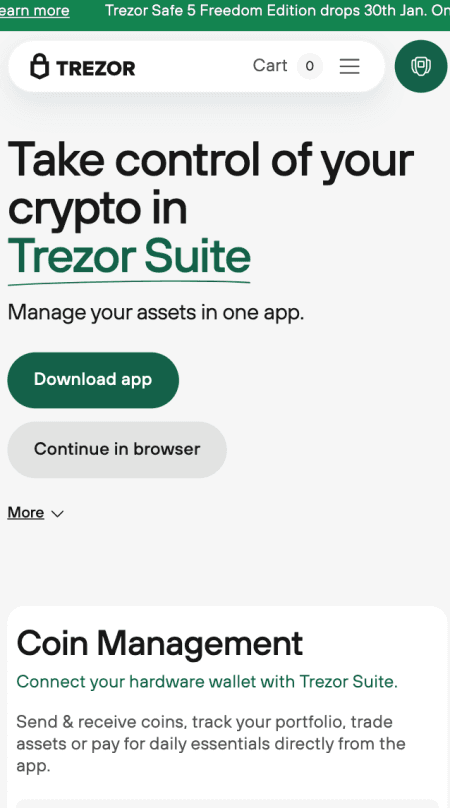
Trezor Suite is the official application that allows you to manage your wallet, send or receive crypto, and monitor your portfolio. Once installed, it will recognize your device automatically.Initialize the Wallet
During the first setup, you’ll be guided through creating a new wallet or recovering an existing one. If this is your first time, select “Create new wallet.”Backup Your Recovery Seed
Trezor will generate a recovery seed, typically consisting of 12, 18, or 24 words. This seed phrase is the most important element of your wallet—it can restore your funds if your device is lost or damaged. Write it down on paper and store it in a secure place, away from cameras or online storage.Set a PIN
The device will prompt you to set a PIN code. This PIN protects your Trezor from unauthorized physical access. Choose a unique PIN that’s difficult to guess.
Once the setup is complete, you’re ready to log in and start managing your digital assets safely.
How to Log In to Trezor Wallet
Logging into your Trezor wallet involves connecting the device and authenticating your access through Trezor Suite. Here’s how to do it:
Connect Your Trezor Device
Use the USB cable to connect your hardware wallet to your computer. Ensure the device powers on and displays the Trezor logo.Open Trezor Suite
Launch the Trezor Suite application on your computer. The software will automatically detect your device and display the login screen.Enter Your PIN
On your computer screen, you’ll see a blank PIN matrix. The actual numbers are shown on your Trezor device screen for security reasons. Match the positions and enter your PIN using the computer interface.Access Your Dashboard
Once authenticated, you’ll be taken to your wallet dashboard. From here, you can view balances, send and receive cryptocurrencies, and manage settings such as labeling accounts or updating firmware.Optional: Enable Passphrase Protection
For additional security, you can set a passphrase—an extra word or phrase that acts as a 25th word to your recovery seed. Each unique passphrase creates a separate wallet, adding another layer of protection.
Common Login Issues and How to Fix Them
Even though Trezor devices are known for their reliability, users might occasionally face login difficulties. Here are some common issues and solutions:
Device Not Recognized: Make sure your USB cable and port are working. Try connecting to a different port or restarting your computer.
Incorrect PIN: If you enter the wrong PIN too many times, your device will temporarily lock. Wait for the cooldown period and re-enter carefully.
Firmware Outdated: Regularly check for firmware updates through Trezor Suite. Updated firmware enhances performance and fixes potential bugs.
Browser Connection Problems: If using a web version of Trezor Suite, ensure your browser supports hardware wallets and that you have the necessary bridge software installed.
Security Tips for Trezor Login
While Trezor provides top-notch security, users must also follow best practices to maintain full protection:
Never Share Your Recovery Seed: No legitimate service or support agent will ever ask for your recovery phrase. Keep it offline and private.
Use Official Software Only: Always use the official Trezor Suite application or website. Avoid downloading from unverified sources.
Enable Two-Factor Authentication: If you use your Trezor with exchange accounts, enable 2FA on those accounts for additional protection.
Regular Backups: Keep multiple physical copies of your recovery seed stored in separate secure locations.
Avoid Public Computers: Only log in from devices you control and trust.
Final Thoughts
The Trezor login process is designed with both simplicity and strong security in mind. By requiring physical device access, PIN authentication, and optional passphrase protection, Trezor ensures that your cryptocurrencies remain safe even if your computer is compromised. Once you understand how to log in and manage your Trezor wallet properly, you can confidently store, send, and receive your digital assets without fear of online threats.
Owning a hardware wallet like Trezor means taking full control of your financial independence. With proper care, secure handling of your recovery seed, and awareness of potential risks, Trezor remains one of the safest and most reliable ways to safeguard your cryptocurrency investments.